Hawaii Reverse Sales Tax: Price Before Tax (2026)
Hawaii has a state sales tax rate of 4%. Use the calculator below to find the original price.
* Pre-filled with Hawaii state tax rate. You can adjust this if local taxes apply.
State Sales Tax
4.00%
Avg. Local Tax
0.50%
Combined Rate
4.50%


Source-Checked Tax Resource
Editorial Quality Standard
Data Research Lead
Ritu Sharma
Tax Research Analyst (M.Com, Accounts & Law) focused on rate tracking and editorial review.
View Credentials →Editorial Reviewer
Umesh Kant Sharma
Senior Revenue Technologist with 13 years of revenue and business experience.
View Profile →Verified against official 2026 revenue schedules for Hawaii.
View StandardsUnderstanding Hawaii Sales Tax
The state GET rate is 4.00%, with Honolulu County adding an additional 0.50% surcharge, bringing the combined rate to 4.50% in Oahu. The Big Island, Maui County, and Kauai County each have their own surcharge structures. Hawaii's GET applies extraordinarily broadly - to virtually every business activity including services, retail, wholesale, construction, and even rental income - making it one of the most comprehensive business taxes in the country.
For businesses and individuals in Hawaii, reverse-calculating the GET from a total bill is a common and necessary task. Whether you're an accountant separating GET from gross revenue, a contractor verifying invoice amounts, or a tourist reviewing a hotel bill, the Hawaii Reverse Sales Tax Calculator gives you the exact pre-tax breakdown instantly.
Why Reverse Calculation Matters in Hawaii
For service businesses especially, Hawaii's GET is significant because it applies to virtually all services - legal, medical, dental, accounting, and even services that most states exempt entirely. A dentist in Honolulu must collect and remit GET on dental services. This makes reverse calculation especially important in Hawaii's professional services sector. Businesses must clearly understand the GET component of every invoice to properly report gross income and GET liability to the Hawaii Department of Taxation.
Sales Tax Rates in Major Hawaii Cities (Quick Look)
| City | Total Rate |
|---|---|
| Honolulu | 4.50% |
| Hilo | 4.50% |
General Taxability Guidelines
Detailed Tax Rates in Major Hawaii Cities
Detailed Taxability Rules & Exemptions in Hawaii
- Wholesale sales - taxed at a reduced 0.50% GET rate (not 4.00%)
- Prescription drugs - exempt from GET
- Prosthetic devices and certain medical supplies
- Agricultural products sold by producers at the farm level
- Export sales - goods physically shipped out of Hawaii may qualify for exemption
- Certain nonprofit and government transactions with valid exemption certificates
Real-World Reverse Calculation Example
You hired a plumber in Honolulu for emergency repairs. The total bill came to $418.88, inclusive of the 4.50% combined GET rate.
- Convert rate: 4.50% ÷ 100 = 0.045
- Add 1: 1 + 0.045 = 1.045
- Divide total: $418.88 ÷ 1.045 = $400.84 (pre-GET price)
- GET amount: $418.88 − $400.84 = $18.04
- ✓ Service cost before GET: $400.84 | General Excise Tax paid: $18.04
Hawaii Sales Tax Compliance & Filing
Official Citations & Sources
- Tax data sourced from the Hawaii Department of Taxation (DOTAX). Hawaii does not impose a traditional sales tax — instead it levies a General Excise Tax (GET) on business gross income, which is often passed to consumers.
- GET rates verified through DOTAX's 2026 General Excise and Use Tax publication.
- Official Link: Hawaii Department of Taxation - Official Website
Frequently Asked Questions - Hawaii Sales Tax
📚 Related Tax Guides

Sales Tax Questions on Reddit: What People Really Ask (2026)
Reddit's small business and tax subreddits are full of sales tax questions, and a lot of the answers in the comments are wrong. This guide pulls the most common threads (nexus, marketplace sellers, the SALT deduction, audits) and answers each one the way a CPA actually would. Includes 2026 nexus thresholds, current state rates, and a reverse sales tax formula you can use today.
Sales Tax by State 2026: Combined Rates, Exemptions & What You Owe
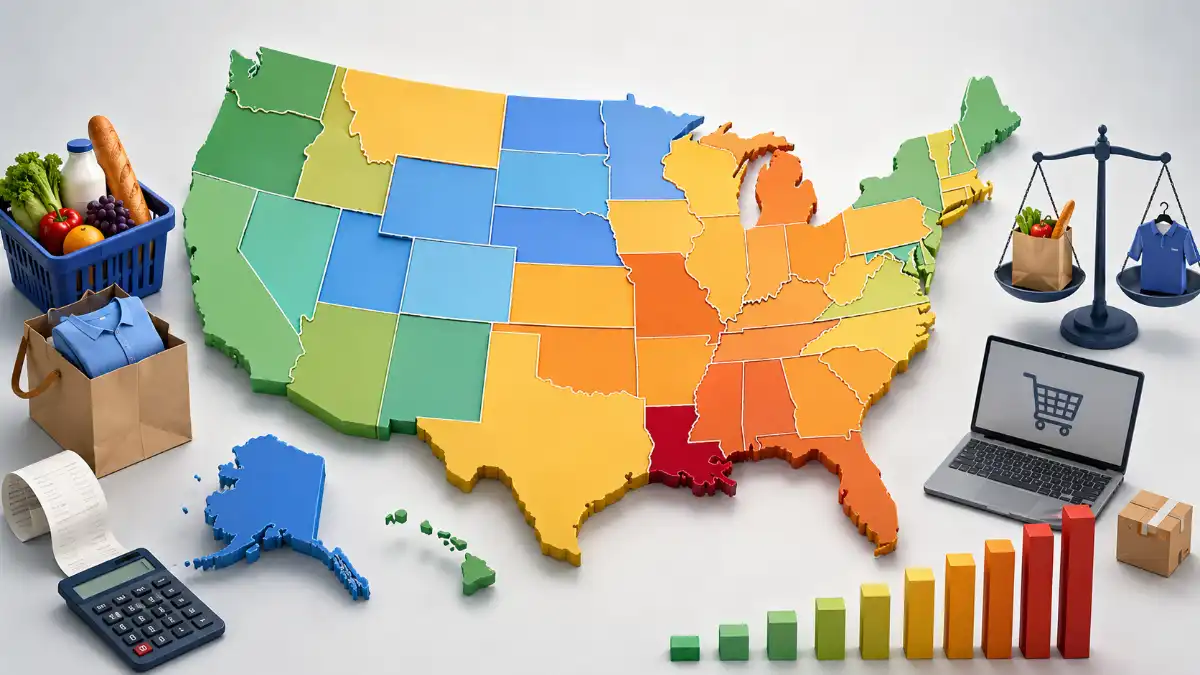
Sales tax in the US ranges from 0% in Oregon and Delaware to over 10% in parts of Louisiana — and the gap between the lowest and highest combined rates can mean hundreds of dollars on a single large purchase. Louisiana raised its state rate to 5% in 2025, pushing its combined average past Tennessee to become the nation's highest. Five states have no sales tax at all, groceries are exempt in most states (Illinois just made its exemption permanent for 2026), and online purchases now almost always include tax thanks to post-Wayfair economic nexus rules. This guide covers every rate, every major exemption category, and exactly how to calculate what you owe.

Sales Tax on Home Improvement: Contractor vs DIY — What's Taxable? (2026 Guide)
A new roof addition is a capital improvement — often no sales tax on the contractor's bill. A repaired roof is maintenance — sales tax may apply. DIY materials are always taxable at the hardware store. This guide explains exactly how home improvement sales tax works in every state.
Explore Other US States
Looking for a different jurisdiction? Compare calculators for other US states:
Check Other States
Legal Disclaimer: While we strive to maintain accurate and up-to-date tax rate information from reliable sources, tax rates can change frequently. Always verify current rates with your local tax authority or a qualified tax professional for official tax matters. This calculator is for informational purposes only and does not constitute professional tax, legal, or financial advice.