South Korea Reverse Tax Calculator (2026) - GST & Sales Tax
Need to remove VAT from a total in South Korea? Use our free 10% reverse VAT calculator to instantly extract tax and find the exact original price before tax.
The standard VAT rate for South Korea is pre-filled. You can adjust this manually if needed.
Standard Rate
10.00%
Alternative Rate
10%
Combined Rate
10.00%


Source-Checked Tax Resource
Editorial Quality Standard
Data Research Lead
Ritu Sharma
Tax Research Analyst (M.Com, Accounts & Law) focused on rate tracking and editorial review.
View Credentials →Editorial Reviewer
Umesh Kant Sharma
Senior Revenue Technologist with 13 years of revenue and business experience.
View Profile →Verified against official 2026 revenue schedules for South Korea.
View StandardsUnderstanding South Korea's VAT System
South Korea's VAT system is highly digitized. The National Tax Service (NTS) operates the 'HomeTax' system, where nearly all business transactions are reported electronically. Electronic Tax Invoices (ETI) are mandatory for all corporations and many individual businesses, ensuring a high level of transparency and compliance in South Korea's advanced digital economy.
Why Reverse Tax Calculation Matters in South Korea
For consumers and businesses in South Korea, prices are almost always displayed with the 10% VAT already included. When you see a price of ₩11,000, it includes ₩1,000 of VAT and ₩10,000 of base price. Reverse VAT calculation is the standard way to extract the net value from Korean receipts, which is critical for business expense claims, accounting reconciliation, and tax reporting.
South Korea Tax Rate Categories
Real-World Reverse Tax Calculation Example
You purchased a smartphone in Seoul for ₩1,100,000 (including 10% VAT).
- Convert VAT rate: 10% ÷ 100 = 0.10
- Add 1: 1 + 0.10 = 1.10
- Divide: ₩1,100,000 ÷ 1.10 = ₩1,000,000 (pre-VAT price)
- VAT amount: ₩1,100,000 − ₩1,000,000 = ₩100,000
- ✓ Pre-VAT price: ₩1,000,000 | VAT (10%): ₩100,000 | Total: ₩1,100,000
South Korea Tax Compliance & Registration
Official Citations & Sources
- Information formatted according to the official National Tax Service (NTS) guidelines.
- VAT rates verified for 2026 Korean tax periods (10% standard).
- Official Link: NTS — National Tax Service
Frequently Asked Questions — South Korea
📚 Related Tax Guides
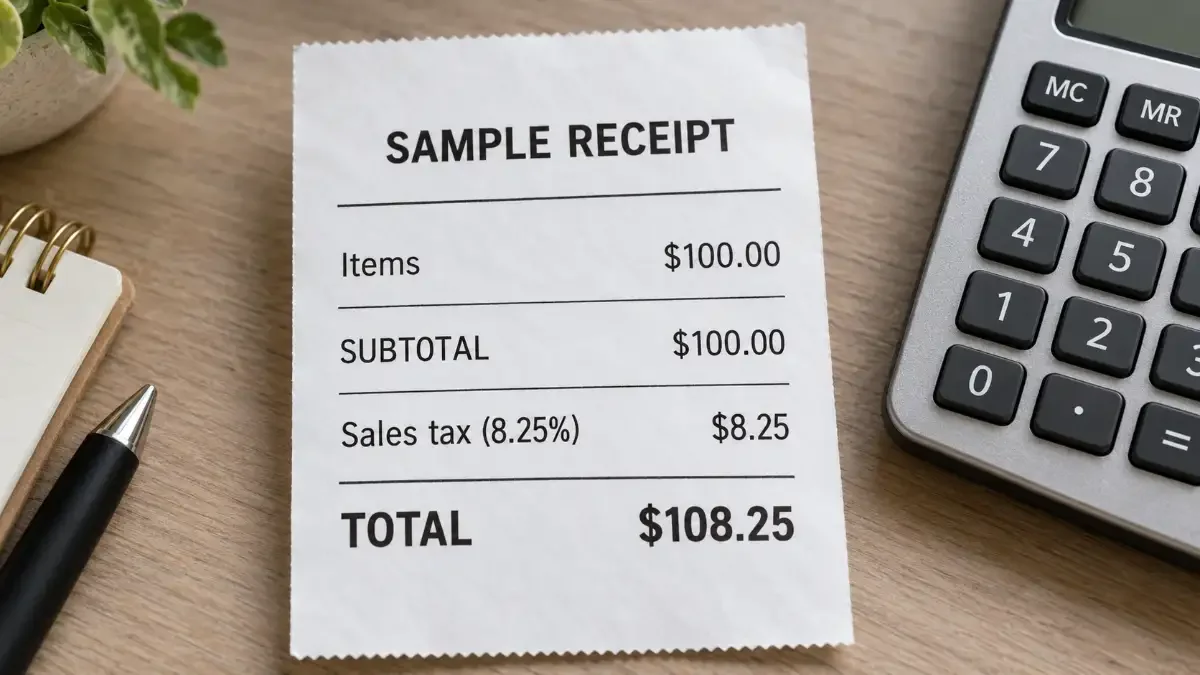
Is Subtotal Before or After Tax? A Receipt Guide
Subtotal is the amount before sales tax, and total is what you pay after it. This guide shows what each receipt line means, how coupons and tips change the taxed amount in Texas, California and New York, and how to work backward from a total to the subtotal.
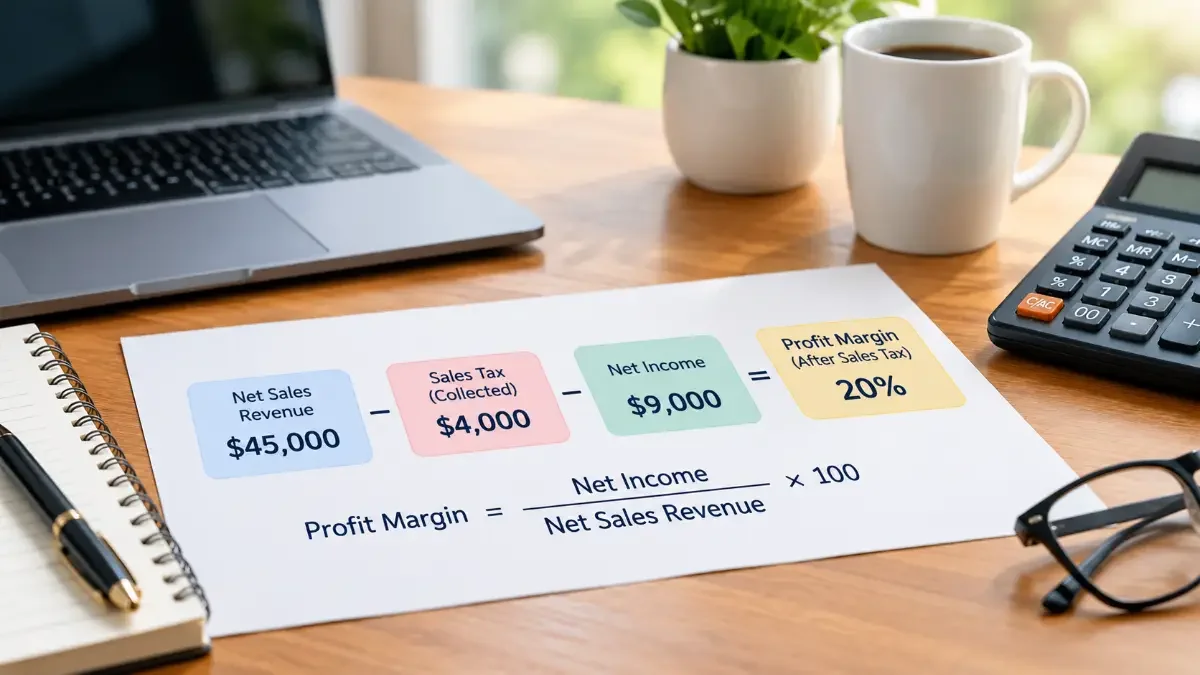
How to Calculate Profit Margin After Sales Tax
Profit margin after sales tax is net income divided by net sales revenue, and net sales never includes the tax you collect. The guide walks through the formula line by line. It includes 3 worked examples, a table of which taxes count as revenue or cost, and the mistakes that quietly distort your margin.

Sales Tax Questions on Reddit: What People Really Ask (2026)
Reddit's small business and tax subreddits are full of sales tax questions, and a lot of the answers in the comments are wrong. This guide pulls the most common threads (nexus, marketplace sellers, the SALT deduction, audits) and answers each one the way a CPA actually would. Includes 2026 nexus thresholds, current state rates, and a reverse sales tax formula you can use today.
Understanding Different Tax Jurisdictions
Looking for a different jurisdiction? Compare calculators for other global regions:
Nunavut
5.00%
Prince Edward Island
15.00%
France
20.00%
Germany
19.00%
Spain
21.00%
Netherlands
21.00%
United States Tax Structure
Explore individual calculators and detailed tax rates for all 50 US states.
Other World Tax Rates
Legal Disclaimer: While we strive to maintain accurate and up-to-date tax rate information from reliable sources, tax rates can change frequently. Always verify current rates with your local tax authority or a qualified tax professional for official tax matters. This calculator is for informational purposes only and does not constitute professional tax, legal, or financial advice.