Brazil Reverse Tax Calculator (2026) - GST & Sales Tax
Need to remove ICMS from a total in Brazil? Use our free 17% reverse ICMS calculator to instantly extract tax and find the exact original price before tax.
The standard ICMS rate for Brazil is pre-filled. You can adjust this manually if needed.
Standard Rate
17.00%
Alternative Rate
17-20%
Combined Rate
17.00%


Source-Checked Tax Resource
Editorial Quality Standard
Data Research Lead
Ritu Sharma
Tax Research Analyst (M.Com, Accounts & Law) focused on rate tracking and editorial review.
View Credentials →Editorial Reviewer
Umesh Kant Sharma
Senior Revenue Technologist with 13 years of revenue and business experience.
View Profile →Verified against official 2026 revenue schedules for Brazil.
View StandardsUnderstanding Brazil's Tax System
Brazil is in the midst of a historic tax reform (Reforma Tributária), approved in 2023, that will consolidate ICMS, IPI, PIS, and COFINS into a new dual VAT system: CBS (federal) and IBS (subnational), plus a Selective Tax on sin goods. This reform, to be phased in from 2026 to 2033, is one of the most significant tax simplifications in Brazil's history and will fundamentally change how businesses calculate and remit indirect taxes.
Why Reverse Tax Calculation Matters in Brazil
The ongoing tax reform makes understanding Brazil's transition from its current complex system to the simplified dual VAT especially important for businesses planning operations. The standard ICMS rate of 17-20% (varying by state and product category) is the most visible consumer tax, and reverse ICMS calculation is a daily need for Brazilian retail and distribution businesses.
Brazil Tax Rate Categories
Real-World Reverse Tax Calculation Example
You purchased electronics in São Paulo, Brazil. The retail price was R$2,200 (including ICMS at São Paulo's standard 18% rate).
- Convert ICMS rate: 18% ÷ 100 = 0.18
- Add 1: 1 + 0.18 = 1.18
- Divide: R$2,200 ÷ 1.18 = R$1,864.41 (pre-ICMS price)
- ICMS: R$2,200 − R$1,864.41 = R$335.59
- Note: Final consumer price also includes IPI and PIS/COFINS embedded in the price
- ✓ Pre-ICMS price: R$1,864.41 | ICMS (18%): R$335.59 | Total: R$2,200.00
Brazil Tax Compliance & Registration
Official Citations & Sources
- Information formatted according to the official Receita Federal and State Finance Secretariats (SEFAZ) guidelines.
- Rates verified through 2026 Brazilian tax reform announcements.
- Official Link: Receita Federal — Brazil
Frequently Asked Questions — Brazil
📚 Related Tax Guides
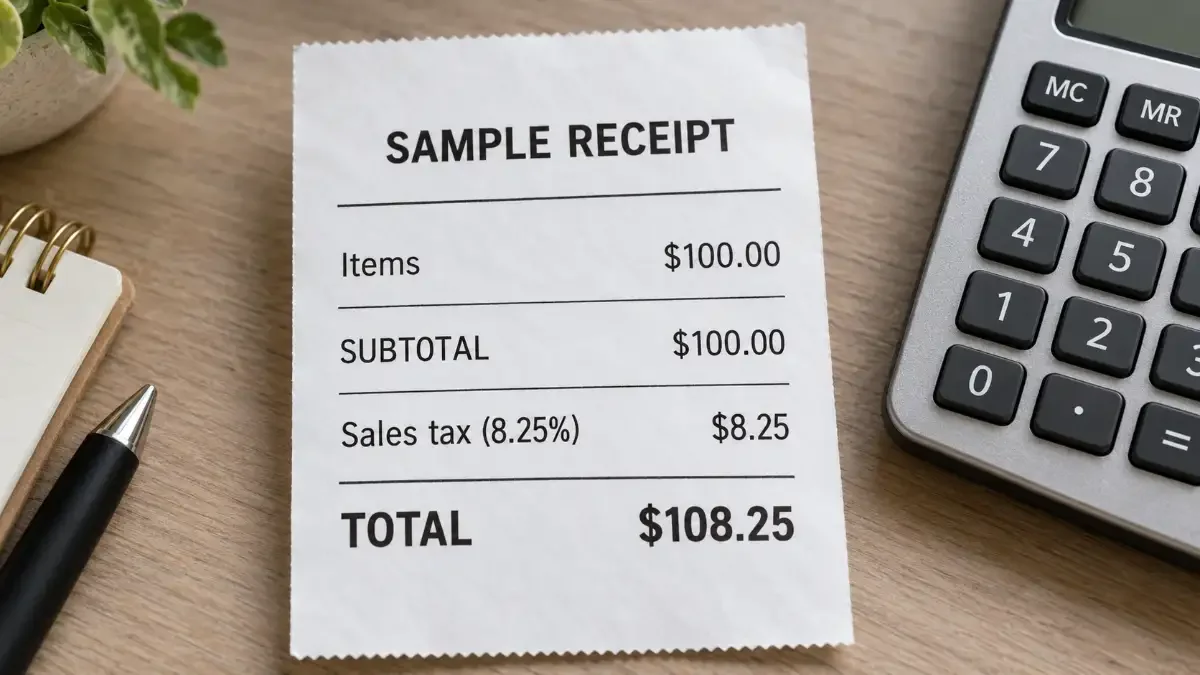
Is Subtotal Before or After Tax? A Receipt Guide
Subtotal is the amount before sales tax, and total is what you pay after it. This guide shows what each receipt line means, how coupons and tips change the taxed amount in Texas, California and New York, and how to work backward from a total to the subtotal.
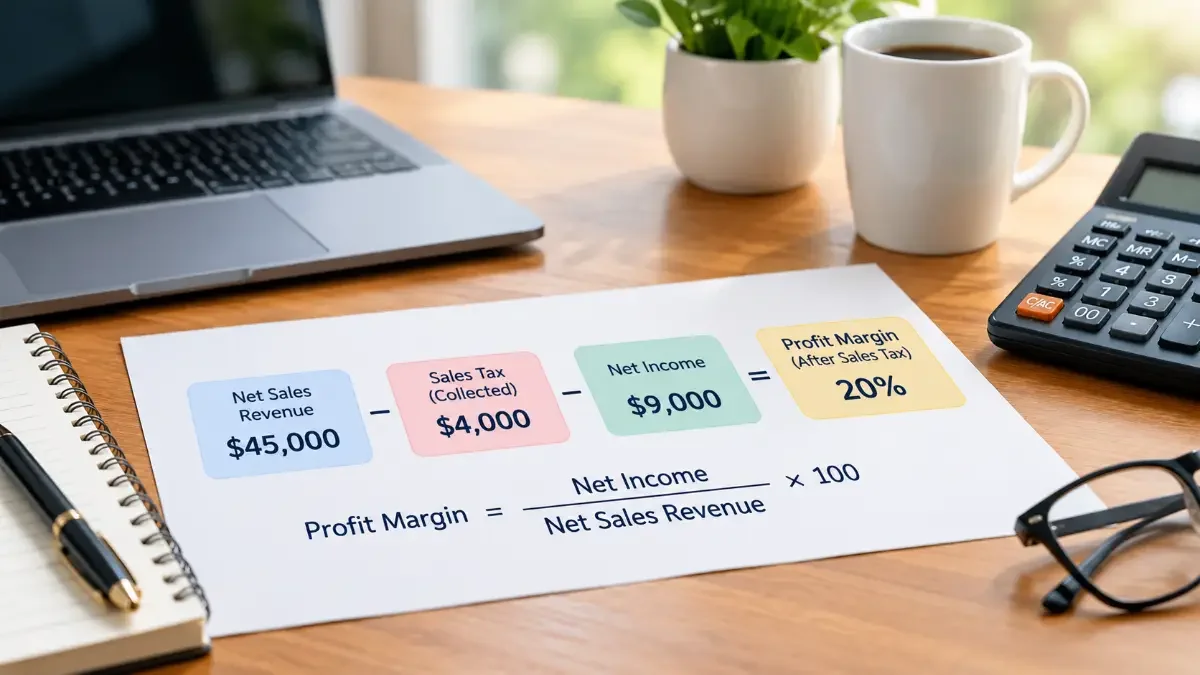
How to Calculate Profit Margin After Sales Tax
Profit margin after sales tax is net income divided by net sales revenue, and net sales never includes the tax you collect. The guide walks through the formula line by line. It includes 3 worked examples, a table of which taxes count as revenue or cost, and the mistakes that quietly distort your margin.

Sales Tax Questions on Reddit: What People Really Ask (2026)
Reddit's small business and tax subreddits are full of sales tax questions, and a lot of the answers in the comments are wrong. This guide pulls the most common threads (nexus, marketplace sellers, the SALT deduction, audits) and answers each one the way a CPA actually would. Includes 2026 nexus thresholds, current state rates, and a reverse sales tax formula you can use today.
Understanding Different Tax Jurisdictions
Looking for a different jurisdiction? Compare calculators for other global regions:
Alberta
5.00%
United Kingdom
20.00%
Newfoundland and Labrador
15.00%
New Brunswick
15.00%
British Columbia
12.00%
South Korea
10.00%
United States Tax Structure
Explore individual calculators and detailed tax rates for all 50 US states.
Other World Tax Rates
Legal Disclaimer: While we strive to maintain accurate and up-to-date tax rate information from reliable sources, tax rates can change frequently. Always verify current rates with your local tax authority or a qualified tax professional for official tax matters. This calculator is for informational purposes only and does not constitute professional tax, legal, or financial advice.