Netherlands Reverse VAT Calculator (2026) - Price Excl. VAT
Need to remove VAT from a total in Netherlands? Use our free 21% reverse VAT calculator to instantly extract tax and find the exact original price before tax.
The standard VAT rate for Netherlands is pre-filled. You can adjust this manually if needed.
Standard Rate
21.00%
Alternative Rate
9%
Combined Rate
21.00%


Source-Checked Tax Resource
Editorial Quality Standard
Data Research Lead
Ritu Sharma
Tax Research Analyst (M.Com, Accounts & Law) focused on rate tracking and editorial review.
View Credentials →Editorial Reviewer
Umesh Kant Sharma
Senior Revenue Technologist with 13 years of revenue and business experience.
View Profile →Verified against official 2026 revenue schedules for Netherlands.
View StandardsUnderstanding Netherlands's Tax System
The Netherlands is uniquely significant in European VAT for a practical reason that goes beyond its own borders: the Port of Rotterdam is Europe's largest seaport and a major entry point for goods entering the EU. This makes Dutch VAT rules on imports — particularly deferred import VAT and the Article 23 license system — critically important for international supply chains. Many multinational companies use Dutch holding structures and fiscal representatives specifically because of the Netherlands' import VAT deferral system, which provides significant cash flow advantages for high-volume importers.
Why Reverse Tax Calculation Matters in Netherlands
For consumers and businesses making everyday purchases in the Netherlands, the practical distinction between 21% (standard goods and services) and 9% (food, medicine, books, accommodation) determines the tax on most transactions. Dutch receipts always show BTW separately — Dutch law requires it — making reverse BTW calculation a routine task for anyone managing Dutch business expenses.
Netherlands Tax Rate Categories
Real-World Reverse Tax Calculation Example
You purchased a hotel stay in Amsterdam for €242 total (including 9% BTW — accommodation rate).
- Convert BTW rate: 9% ÷ 100 = 0.09
- Add 1: 1 + 0.09 = 1.09
- Divide: €242 ÷ 1.09 = €221.10 (pre-BTW price)
- BTW: €242 − €221.10 = €20.90
- ✓ Pre-BTW hotel rate: €221.10 | BTW (9%): €20.90 | Total: €242.00
Netherlands Tax Compliance & Registration
Official Citations & Sources
- Information formatted according to the official Belastingdienst (Dutch Tax and Customs Administration) guidelines.
- BTW rates verified through the latest 2026 Dutch tax tables.
- Official Link: Belastingdienst — BTW Information
Frequently Asked Questions — Netherlands
📚 Related Tax Guides
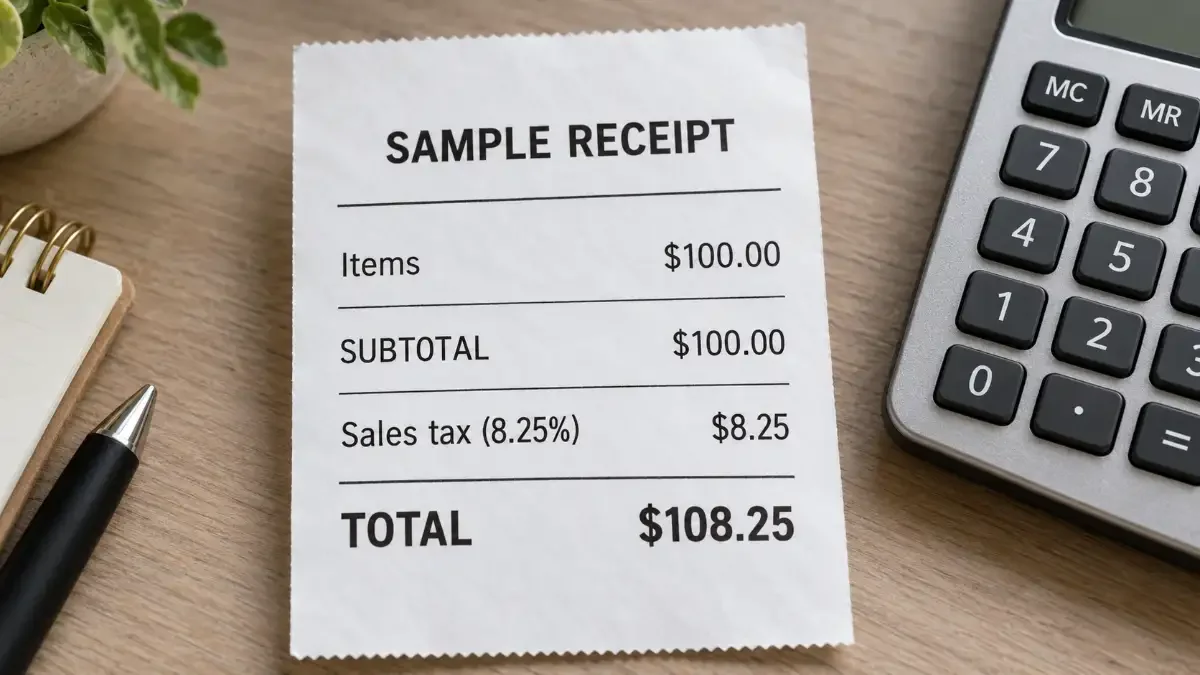
Is Subtotal Before or After Tax? A Receipt Guide
Subtotal is the amount before sales tax, and total is what you pay after it. This guide shows what each receipt line means, how coupons and tips change the taxed amount in Texas, California and New York, and how to work backward from a total to the subtotal.
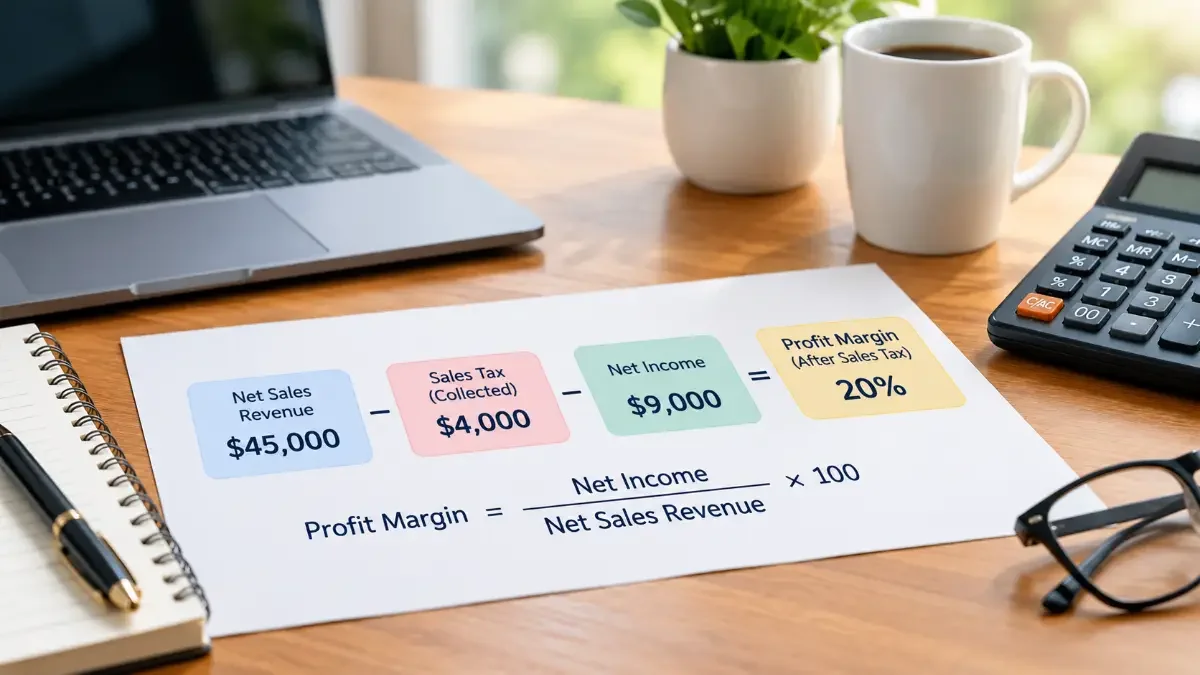
How to Calculate Profit Margin After Sales Tax
Profit margin after sales tax is net income divided by net sales revenue, and net sales never includes the tax you collect. The guide walks through the formula line by line. It includes 3 worked examples, a table of which taxes count as revenue or cost, and the mistakes that quietly distort your margin.

Sales Tax Questions on Reddit: What People Really Ask (2026)
Reddit's small business and tax subreddits are full of sales tax questions, and a lot of the answers in the comments are wrong. This guide pulls the most common threads (nexus, marketplace sellers, the SALT deduction, audits) and answers each one the way a CPA actually would. Includes 2026 nexus thresholds, current state rates, and a reverse sales tax formula you can use today.
Understanding Different Tax Jurisdictions
Looking for a different jurisdiction? Compare calculators for other global regions:
Prince Edward Island
15.00%
France
20.00%
Saskatchewan
11.00%
India
18.00%
Australia
10.00%
Mexico
16.00%
United States Tax Structure
Explore individual calculators and detailed tax rates for all 50 US states.
Other Europe Tax Rates
Legal Disclaimer: While we strive to maintain accurate and up-to-date tax rate information from reliable sources, tax rates can change frequently. Always verify current rates with your local tax authority or a qualified tax professional for official tax matters. This calculator is for informational purposes only and does not constitute professional tax, legal, or financial advice.